APRAKU PSYCHIATRY
  • Doctors
    • M. Alexander, M.D.
    • A. Apraku, M.D.
    • B. Harper, M.D.
    • A. Johnson, M.D.
    • J. Meyers, M.D.
    • A. Phan-Huy, M.D.
    • Z. Saherwala, D.O.
    • A.M. Shah, D.O.
    • R. Shah, M.D.
    • C. Zou, M.D.
  • Treatment
    • Depression
    • Anxiety
    • Bipolar
    • OCD
    • Trauma
  • Locations
    • Alabama
    • Arizona
    • California
    • Colorado
    • Connecticut
    • Florida
    • Georgia
    • Idaho
    • Illinois
    • Indiana
    • Kansas
    • Kentucky
    • Louisiana
    • Maryland
    • Massachusetts
    • Michigan
    • Minnesota
    • Mississippi
    • Missouri
    • New York
    • Ohio
    • Pennsylvania
    • Tennessee
    • Texas
    • Utah
    • Virginia
    • Washington
    • West Virginia
    • Wisconsin
  • Patients
    • Book Appointment
    • Fees & Insurance
    • Practice Policies
    • Waiting Room
    • Patient Portal
  • Blog
    • Culture
    • Access to Care
    • Lifestyle
    • Medicine
    • Treatment Tips
    • Wellness
    • Archive
  • FAQ
  • Contact
book
  • Doctors
    • M. Alexander, M.D.
    • A. Apraku, M.D.
    • B. Harper, M.D.
    • A. Johnson, M.D.
    • J. Meyers, M.D.
    • A. Phan-Huy, M.D.
    • Z. Saherwala, D.O.
    • A.M. Shah, D.O.
    • R. Shah, M.D.
    • C. Zou, M.D.
  • Treatment
    • Depression
    • Anxiety
    • Bipolar
    • OCD
    • Trauma
  • Locations
    • Alabama
    • Arizona
    • California
    • Colorado
    • Connecticut
    • Florida
    • Georgia
    • Idaho
    • Illinois
    • Indiana
    • Kansas
    • Kentucky
    • Louisiana
    • Maryland
    • Massachusetts
    • Michigan
    • Minnesota
    • Mississippi
    • Missouri
    • New York
    • Ohio
    • Pennsylvania
    • Tennessee
    • Texas
    • Utah
    • Virginia
    • Washington
    • West Virginia
    • Wisconsin
  • Patients
    • Book Appointment
    • Fees & Insurance
    • Practice Policies
    • Waiting Room
    • Patient Portal
  • Blog
    • Culture
    • Access to Care
    • Lifestyle
    • Medicine
    • Treatment Tips
    • Wellness
    • Archive
  • FAQ
  • Contact

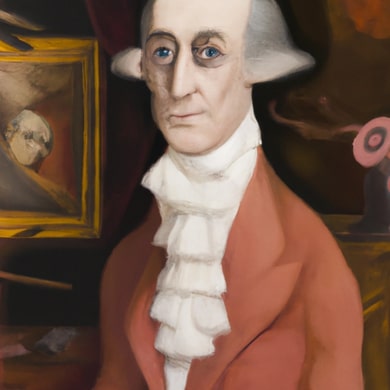
Benjamin Rush: A Founding Father's Psychiatric Legacy

7/16/2020

 
Benjamin Rush is the founding father you might never have heard of. In 1776, he represented Pennsylvania in declaring the new nation formally free of regal tyranny. Seated in his hometown alongside more famous comrades like Thomas Jefferson, John Adams, and Benjamin Franklin, Dr. Rush declared a new, independent United States. 

But Dr. Rush not only fathered a new country. He also fathered something of perhaps even longer-lasting importance for humanity: the medical specialty of psychiatry. Yes, Dr. Rush is the father of psychiatry – and that's according to its U.S. custodian, the American Psychiatric Association.

In this blog post, we'll dive into the fascinating story of this unsung hero, exploring his rise to prominence, groundbreaking medical innovations, and the powerful legacy he left behind. Strap in for a captivating journey through the life of the man known as the "Father of American Psychiatry."
Picture

From Tragedy to Triumph: Benjamin Rush's Early Years

Born in 1746 in a rural community just outside Philadelphia, Benjamin Rush was a child prodigy who overcame personal tragedy to shape the future of medicine and politics. When Benjamin was just six, his father passed away, leaving his mother, Susanna, to raise seven children. Despite this personal tragedy, Susanna made sure her children received the best education possible.

At the age of eight, Benjamin was sent to study under his uncle, Dr. Samuel Finley, headmaster of Nottingham Academy in Maryland. This rigorous education fueled his passion for learning, and by 13, he was enrolled at the College of New Jersey (later Princeton University). Proving his brilliance, he graduated with a Bachelor of Arts degree at only 14 years old.

Benjamin returned to Philadelphia to apprentice under Dr. John Redman. This hands-on experience exposed him to various medical practices and ignited his interest in psychiatry. Seeking the best medical education, he ventured to the University of Edinburgh, a prestigious institution known for its groundbreaking research.

Studying under renowned professors like Dr. William Cullen and Dr. Joseph Black, Benjamin absorbed cutting-edge ideas that would later define his innovative contributions to psychiatry. Returning to America with his medical degree, Benjamin Rush embarked on a journey that would forever change the landscape of medicine and American history.

Pioneering Contributions to Psychiatry

Benjamin Rush's pioneering contributions to psychiatry revolutionized the way society understood and treated mental illness. He challenged conventional beliefs and advocated for humane care, laying the groundwork for modern psychiatry. Thanks to his innovative spirit and tenacity, Dr. Rush earned the title "Father of American Psychiatry."

At a time when mental illness was often viewed as a moral failing or divine punishment, Rush made the audacious claim that it was a medical condition deserving of compassion and treatment. He believed that mental disorders stemmed from physical causes, shattering the stigma surrounding these conditions. This groundbreaking insight marked a significant shift in society's perception of mental illness and paved the way for more effective treatments.

Dr. Rush's unorthodox approach to psychiatry led to the development of novel treatment methods. He championed the use of tranquilizers, which he believed could calm patients' minds and alleviate their symptoms. He also invented the "tranquilizing chair," a revolutionary device that restrained patients without causing harm. This chair allowed patients to safely experience their emotions while being treated with dignity and respect. While these innovations were broadly ineffective, they represented an experimental, scientific approach to medicine that ultimately led to the effective psychiatric treatments that are in use today.

Another key aspect of Dr. Rush's innovative approach to psychiatry was his emphasis on the importance of physical activity for mental well-being. He encouraged patients to engage in regular exercise and work therapy, advocating for the therapeutic benefits of fresh air, sunlight, and a structured daily routine. This holistic approach to mental health care was years ahead of its time and continues to influence modern psychiatric practices.

Rush's influence also extended to the design and administration of mental health institutions. He advocated for the creation of separate wards for patients with mental illness, ensuring they received specialized care. He also pushed for the training of medical professionals in psychiatry, which contributed to the development of the field as a distinct medical specialty.

The impact of Benjamin Rush's pioneering work in psychiatry cannot be overstated. He tore down age-old misconceptions and replaced them with a compassionate, scientific understanding of mental illness. In doing so, he not only revolutionized psychiatric care but also made lasting contributions to the medical profession and society as a whole. Dr. Rush's trailblazing spirit remains an inspiration for those committed to improving mental health care and breaking down the barriers that still exist today.

Political Involvement and Founding Father Status

Benjamin Rush was a medical pioneer, a trailblazer in psychiatry, and a Founding Father with fiery political convictions. He played a crucial role in shaping the early United States, leaving an indelible mark on the country's political landscape.

As a signer of the Declaration of Independence, Rush stood shoulder to shoulder with iconic figures like Thomas Jefferson, John Adams, and Benjamin Franklin. Together, they proclaimed the new nation's freedom from British tyranny.

Dr. Rush's unwavering commitment to the revolutionary cause led to his appointment as Surgeon General of the Continental Army. He fearlessly tended to the wounded in the midst of the American Revolution, displaying courage, dedication, and skill under immense pressure.

Rush not only contributed to the birth of the nation, but he also actively participated in shaping its institutions. He played a key role in founding Dickinson College and the Philadelphia Dispensary, demonstrating his commitment to education and public health.

Benjamin Rush was a man of strong convictions, unafraid to take a stand on controversial issues. He was an ardent abolitionist, passionately advocating for the end of slavery. Additionally, he championed women's rights, paving the way for future generations to enjoy greater equality.

This Founding Father's political involvement and unwavering dedication to the revolutionary cause, coupled with his groundbreaking work in psychiatry, make Benjamin Rush a captivating and inspiring figure in American history. His legacy continues to resonate, reminding us of the immense potential for change when passion, innovation, and conviction converge.

Controversies and Legacy

Benjamin Rush was a revolutionary figure with a legacy as multifaceted as the man himself. While his pioneering work in psychiatry and his dedication to the United States' founding principles are undeniably commendable, his story is not without its fair share of controversies.

Rush's staunch advocacy for bloodletting as a medical treatment, for instance, was a point of contention among his peers. Despite his unwavering belief in its efficacy, history would later prove the practice to be more harmful than helpful, casting a shadow over his medical career.

Similarly, Rush's opinionated nature and outspokenness occasionally stirred up controversy. His fiery convictions on topics like slavery and women's rights, while progressive for his time, sparked heated debates and drew both admirers and detractors.

Yet, despite these controversies, Rush's enduring legacy cannot be denied. His tireless efforts in advocating for the humane treatment of people with mental illness laid the groundwork for modern psychiatry. His insistence on compassion and understanding in the face of ignorance and superstition has left an indelible mark on the field.

As a Founding Father, Rush's political influence shaped the early United States, and his unwavering commitment to its revolutionary cause will forever be etched in history. His involvement in establishing important institutions like Dickinson College and the Philadelphia Dispensary underscores his dedication to education and public health.

In the grand tapestry of American history, Benjamin Rush stands out as a vibrant, complex, and inspirational figure. His controversies, in many ways, only serve to make his story more intriguing, and his legacy more fascinating. A testament to the power of passion and conviction, Rush's contributions to medicine, politics, and social justice continue to echo through the ages.


Comments are closed.
    Back to Blog
Apraku Psychiatry
DOCTORS     TREATMENT     LOCATIONS     PATIENTS     BLOG     FAQ     CONTACT
Book Appointment
[email protected]
Copyright © Apraku Psychiatry 2025

Any questions?

Contact Us
Book Appointment